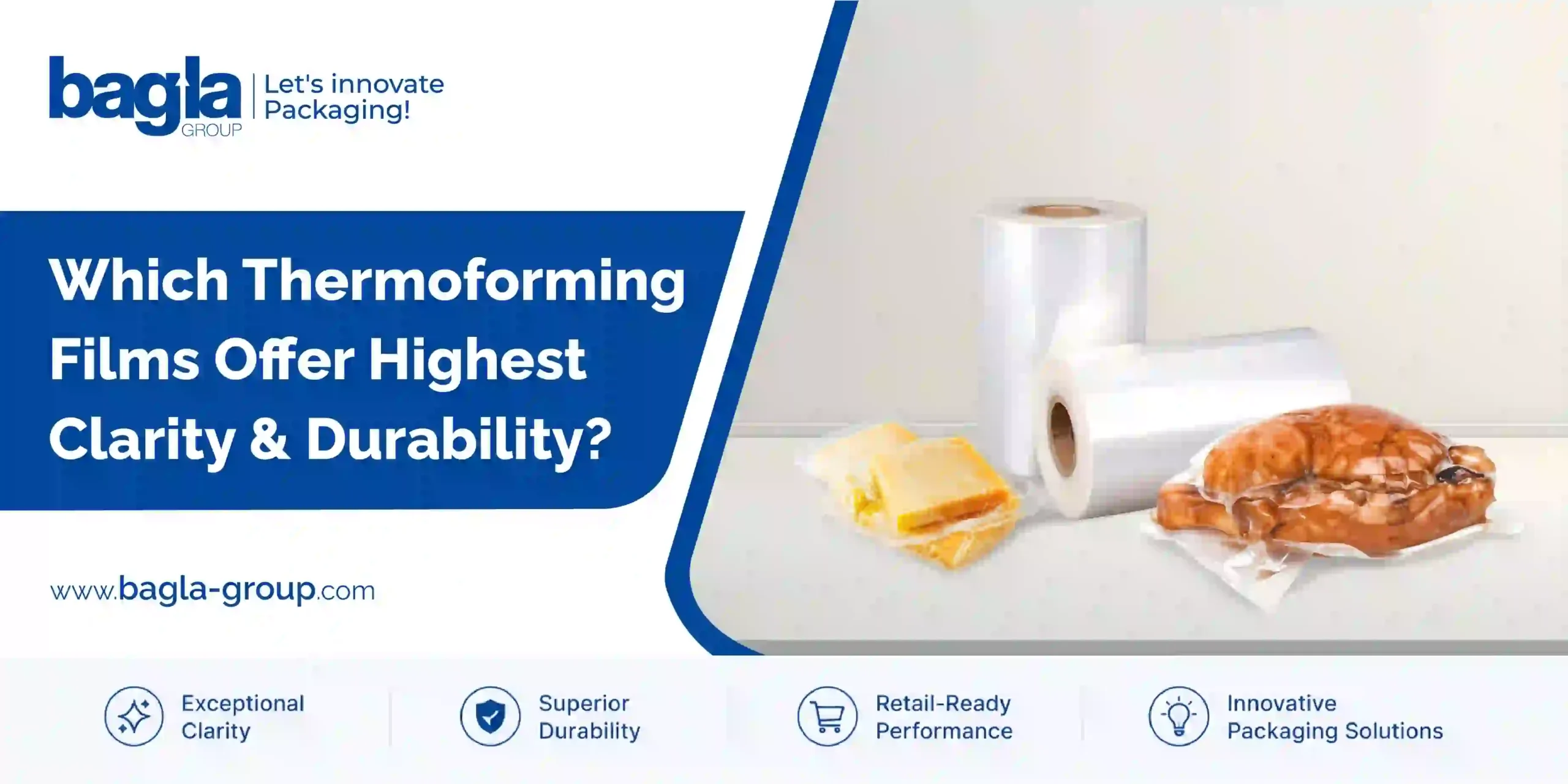
Think about the last time you stood in a store aisle and picked up a product you had never bought before. What made you reach for it? Chances are, you could see it clearly through the packaging. The colour. The texture. The quality is all visible without opening a single flap. That split-second visual assessment is one of the most commercially powerful moments in retail. And it all depends on the Thermoforming Film wrapped around that product.
For procurement managers, packaging engineers, and brand owners, choosing the right film isn’t a small decision. Get it right, and your product looks premium, survives the supply chain, and sells itself on the shelf. Get it wrong, and you’re looking at hazy trays, short shelf lives, and products that arrive at retail looking tired before the consumer has even picked them up.
So let’s work through this properly — what separates a great Thermoforming Film from an average one, which Thermoforming Film offer highest clarity without compromising durability, and how Bagla Group’s QuenchTek range is built to answer those demands in real packaging environments.
What Makes a Thermoforming Film “High Clarity”?
Clarity in a Thermoforming Film isn’t just about how transparent it looks straight off the roll. It’s about how the film performs optically after it’s been heated, formed, sealed, and sent through a supply chain. Three factors define genuine optical performance in Thermoforming Films:
- Light transmission: the percentage of light that passes through the film without being absorbed or scattered. High-clarity films typically achieve values above 90%, meaning consumers see the product inside almost as vividly as they would without any packaging at all.
- Haze value: the amount of light scattered as it passes through the film, causing a milky or frosted appearance. Films with low haze values stay visually sharp even after thermoforming. Films with high haze values look acceptable on the roll but are noticeably dull once formed.
- Gloss: the surface reflectance of the film, which contributes to the premium, polished appearance that distinguishes quality retail packaging from commodity packaging.
A film that scores well on all three, post-forming, not just pre-forming, is the exact standard we refer to when saying certain Thermoforming Film offers the highest clarity, versus those that simply look clear off the roll but dull once formed. That distinction matters more than most film selection conversations acknowledge.
Why Clarity and Durability Both Matter in Retail Packaging?
Here’s something that catches packaging teams out more often than it should: clarity and durability don’t always come from the same place in a film’s design. A film engineered purely for optical performance can compromise on structural toughness. A film built primarily for barrier strength can carry just enough haze to take the edge off your product’s shelf presence.
Retail packaging needs both to work together. The film has to protect the product from moisture, oxygen, contamination, and the physical reality of warehouse handling, transport, and store display — all without making the product look like it’s wrapped in fog.
The films that genuinely earn their place in retail are the ones that solve both problems simultaneously, without asking you to make trade-offs you shouldn’t have to. That’s exactly the challenge Bagla Group’s QuenchTek Thermoforming Film range is designed to meet.
How Barrier Properties Affect Clarity in Thermoforming Films?
One of the most common misconceptions in film specification is that adding barrier performance automatically means sacrificing optical quality. This was partially true of earlier-generation barrier films, where the materials and coatings used to achieve low oxygen transmission rates introduced visible haze or surface irregularities.
Modern barrier Thermoforming Films — when properly engineered — don’t work that way. The barrier function is built into the film’s multilayer structure, not applied as an afterthought, which means optical performance and barrier performance can coexist at a high level.
Understanding this matters because it changes how you evaluate films. You’re not choosing between a clear film and a barrier film. You’re identifying which Thermoforming Film offers the highest clarity and the barrier performance your product demands. That’s the specification conversation worth having with your film supplier.
Bagla Group’s QuenchTek Thermoforming Films — The Full Product Range
Bagla Group manufactures three Thermoforming Films under the QuenchTek brand, each engineered for a distinct performance tier. Here’s what each one is built for and where it fits in retail packaging.
QuenchTek HB — Thermoforming Barrier Film (High-Barrier)
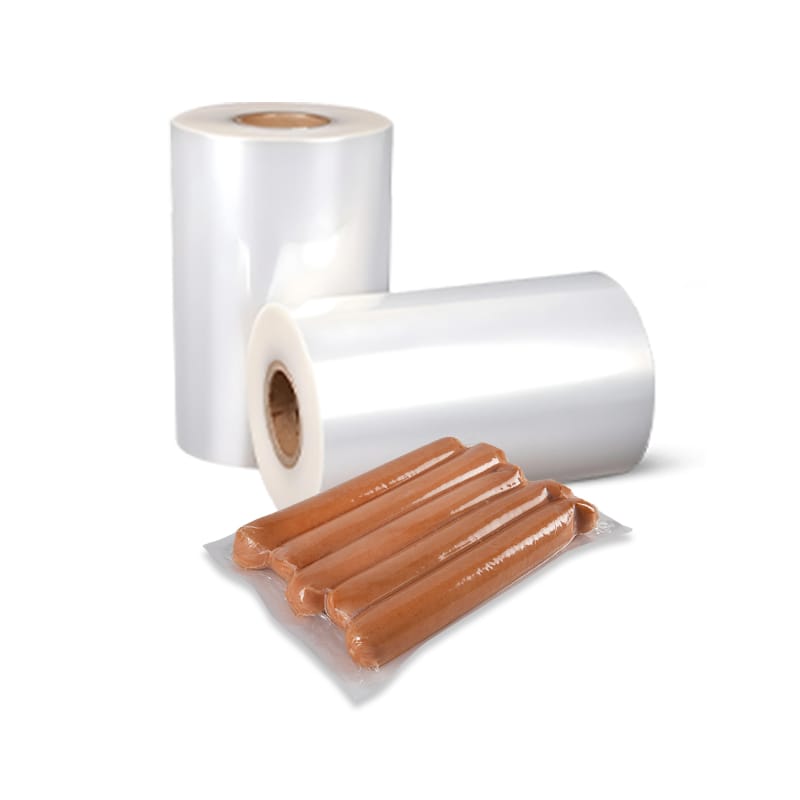
When the application demands the most rigorous protection — extended shelf life, sensitive products, or export supply chains where packaging endures more handling, more time, and more environmental variation — QuenchTek HB is Bagla Group’s answer.
QuenchTek HB is a high-barrier Thermoforming Film built to provide the most comprehensive protection in the QuenchTek range against oxygen transmission and moisture vapour. For products where compromising on barrier performance means compromising on food safety, product quality, or shelf-life guarantees, this is the specification that removes the guesswork.
High-barrier films are differentiated from medium-barrier options by their oxygen transmission rate (OTR) — the lower the OTR, the less oxygen passes through the film over time, and the longer the product is protected from oxidative degradation. QuenchTek HB delivers that low OTR performance consistently across the real variables of production lines and supply chains, not just under ideal laboratory conditions.
QuenchTek HB is the natural specification for:
- Extended shelf-life food products, cured meats, cheese, ready meals, where retail partners require a defined minimum shelf life
- Premium consumer goods where the cost of a return or recall due to packaging failure is simply not acceptable
- Export-oriented packaging, where the product travels longer distances and spends extended periods in distribution before reaching the consumer
QuenchTek MB — Thermoforming Barrier Film (Medium-Barrier)
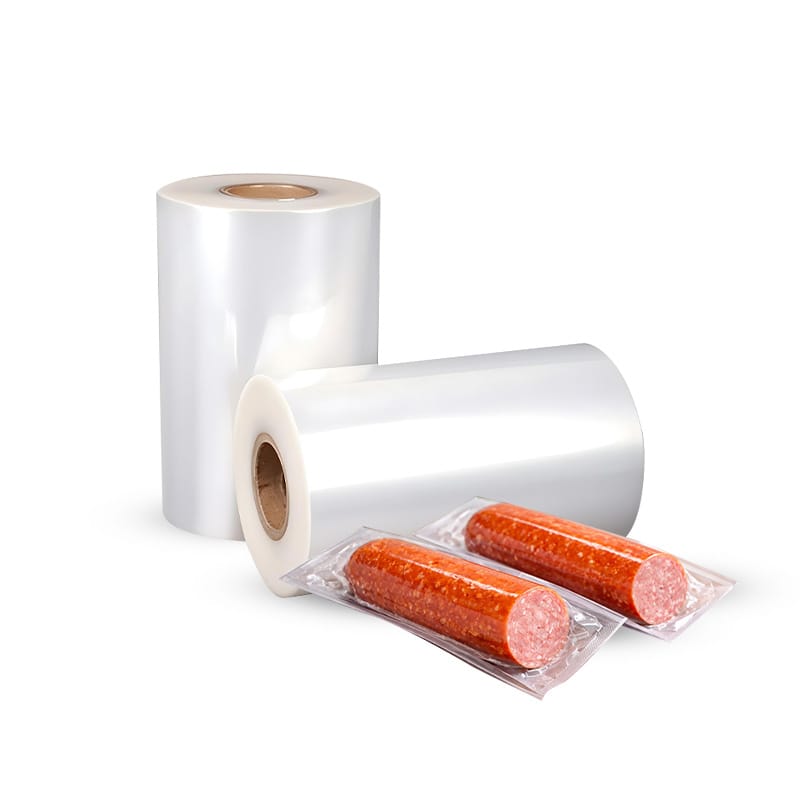
The QuenchTek MB is Bagla Group’s medium-barrier Thermoforming Film, designed for applications where reliable protection against moisture and oxygen is needed, but the product doesn’t require the most intensive barrier specification available.
In practical terms, QuenchTek MB works hardest across the widest range of everyday retail packaging scenarios. It delivers a clean, clear appearance that lets the packaged product present itself well on the shelf, while the medium-barrier construction extends shelf life and maintains product integrity through typical retail distribution demands.
QuenchTek MB is a strong fit for:
- Processed and fresh food products with standard shelf-life requirements
- Retail-ready thermoformed trays and packs where visual clarity sits alongside protection needs
- High-volume packaging runs where consistent film performance is a production priority
If you’re currently using a non-barrier or low-barrier film and finding that shelf life or product freshness falls short of what your retail partners expect, QuenchTek MB is often the most practical upgrade — it delivers meaningful barrier performance without over-engineering the specification for products that don’t need a full high-barrier solution.
QuenchTek MBPP — PA/PP Medium Barrier Thermoforming Film
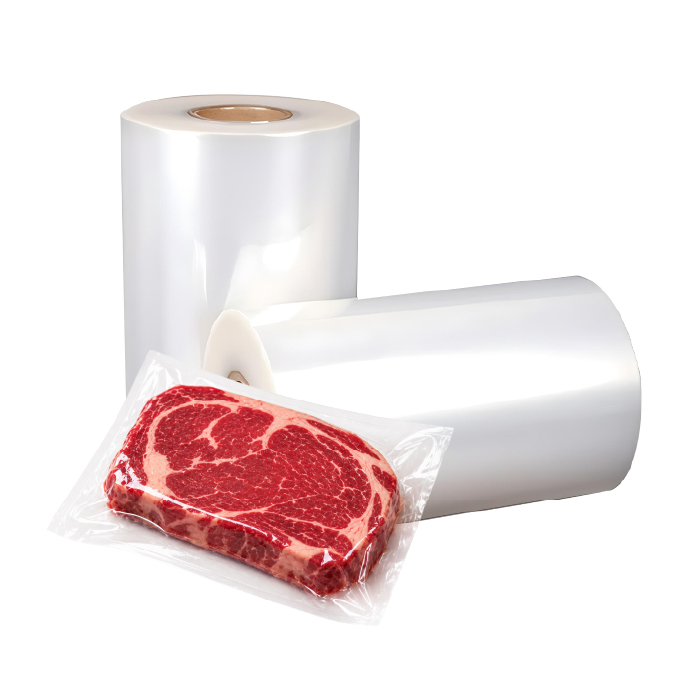
The QuenchTek MBPP is a PA/PP (Polyamide/Polypropylene) medium-barrier Thermoforming Film, and the material combination here matters more than it might initially seem.
Polyamide — commonly known as nylon — contributes excellent puncture resistance and reliable oxygen barrier performance. Polypropylene provides structural rigidity, heat resistance, and sealability. Together, they produce a film that handles the mechanical stresses of thermoforming lines well while delivering barrier performance suited to products that need protection from both moisture and atmospheric oxygen.
QuenchTek MBPP is particularly relevant for:
- Protein-based food products, such as meat, poultry, fish, and processed proteins, where puncture resistance and oxygen barrier performance are both essential
- Modified atmosphere packaging (MAP) applications, where maintaining the integrity of the gas atmosphere inside the pack is non-negotiable
- Bone-in cuts or irregularly shaped products that stress-test film puncture resistance during high-speed packaging
- Applications where the film must perform consistently across varying humidity conditions during transit
The PA component gives QuenchTek MBPP a meaningful advantage over standard PP barrier films in oxygen barrier consistency — polyamide is a more stable barrier material across changing humidity levels, which matters when distribution moves through different climate zones or international supply chains.
From a clarity standpoint, QuenchTek MBPP delivers the clean, transparent finish that retail presentation demands. It doesn’t sacrifice optical performance for barrier performance, which is precisely where less well-engineered film structures tend to fall.
Thermoforming Films for Food Packaging
Food retail packaging sits at the intersection of strict regulatory requirements and uncompromising commercial presentation standards. The film you choose needs to satisfy both simultaneously.
From a regulatory standpoint, food-contact Thermoforming Films must comply with applicable food safety standards in your target market — whether that’s FDA regulations in the US, EU Regulation 10/2011 in Europe, or equivalent standards in other regions. Barrier performance also directly affects shelf-life declarations, which your retail partners will hold you to.
From a commercial standpoint, the film must present the product clearly and consistently, shelf after shelf, week after week. Yellowing, hazing, or physical deformation during display are all failure modes that erode brand trust faster than most companies expect.
Bagla Group’s QuenchTek range is engineered to meet both demands — food-contact safe, barrier-compliant, and optically consistent across production runs and retail display conditions.
How Thermoforming Film Thickness Affects Clarity and Strength?
Film gauge — the thickness of the Thermoforming Film — affects both optical and structural performance in ways that are worth understanding before you finalise your specification.
Thinner films generally offer slightly better optical clarity at the forming stage, but they sacrifice structural rigidity and impact resistance. Thicker films provide better protection and physical durability, but forming depth and temperature requirements increase. Very thick films can also reduce optical sharpness in deep-draw applications.
For most retail thermoforming applications, gauge selection sits between 150 and 800 microns depending on product weight, forming depth, and the demands of the packaging line. Getting gauge right is as important as getting material right — the two decisions work together, not independently.
How To Choose The Right Thermoforming Film For Your Product?
The right film is the one that matches your product’s actual requirements — not the highest-specification film available, and not the lowest-cost option. Here’s a practical framework:
Step 1: Define your shelf-life requirement.
How long must the product remain in prime condition from packaging to consumer use? Days to a few weeks for refrigerated products point toward QuenchTek MB. Weeks to months, or ambient/export distribution, points toward QuenchTek HB.
Step 2: Assess the product’s physical demands on the film.
Does it have sharp edges, bones, or irregular shapes that will stress the film during packaging? That’s where QuenchTek MBPP’s puncture resistance and PA/PP construction become relevant.
Step 3: Consider your packaging process.
MAP, vacuum skin packaging, and standard thermoforming interact differently with film structure. MAP applications require barrier integrity that holds through sealing, handling, and transit — specify accordingly.
Step 4: Match gauge to forming depth and product weight.
Don’t finalise material choice without confirming gauge. The two decisions affect each other.
Step 5: Trial on your actual line.
Data sheet performance figures are the starting point. Real performance on your machinery, tooling, and at your forming temperatures is the only number that truly matters.
Best Thermoforming Films for Retail Packaging: A Quick Comparison
| Film | Barrier Level | Key Strength | Best Application |
| QuenchTek MB | Medium-Barrier | Clarity + everyday protection | Fresh/processed food, standard retail trays |
| QuenchTek MBPP | PA/PP Medium-Barrier | Puncture resistance + consistent oxygen barrier | Proteins, MAP, bone-in cuts, international supply chains |
| QuenchTek HB | High-Barrier | Maximum shelf-life extension | Premium/export foods |
Before finalising any specification, request samples and run trials on your actual line. Published figures are a starting point — real-world results on your equipment are the only definitive answer.
Why Packaging Teams Choose Bagla Group?
There’s a difference between a film supplier and a packaging partner. A supplier sends you rolls. A partner helps you work out which roll is the right one — and makes sure it performs the same way every time you order it.
Bagla Group’s QuenchTek range is built around that second approach. Consistent gauge tolerance, reliable barrier values run to run, and optical performance that holds up in real retail environments — not just on a data sheet. Whether you’re running a high-volume food packaging line or specifying for a niche premium product, we engineer our films to the demands of the application.
Find The Right Thermoforming Film For Your Packaging
Achieve exceptional clarity, reliable barrier protection, and long-lasting durability with Bagla Group’s QuenchTek Thermoforming Films.
Explore the full QuenchTek Thermoforming Films range to go deeper on film selection, barrier specification, and sustainability before making your decision.
Conclusion
Not every Thermoforming Film is built the same way, and the difference shows up on the shelf, in the supply chain, and in your retail partners’ audit results. Only Thermoforming Film offer highest clarity for retail packaging when they’re correctly matched to what the product actually needs — the right barrier tier, the right mechanical performance, and the right optical quality working together.
Bagla Group’s QuenchTek range — QuenchTek MB, QuenchTek MBPP, and QuenchTek HB — is engineered so you don’t have to choose between looking good and performing well. Each film covers a specific performance tier, so you can match the right specification to the right product without overpaying for what you don’t need or under-specifying for what you do.